Blog

  • Herbs You Can Grow in a Windowsill

    Want to bring the joy of gardening indoors? Growing herbs on your windowsill is a simple, satisfying way to enjoy fresh flavor, soothing scents, and a bit of greenery—without ever stepping outside.
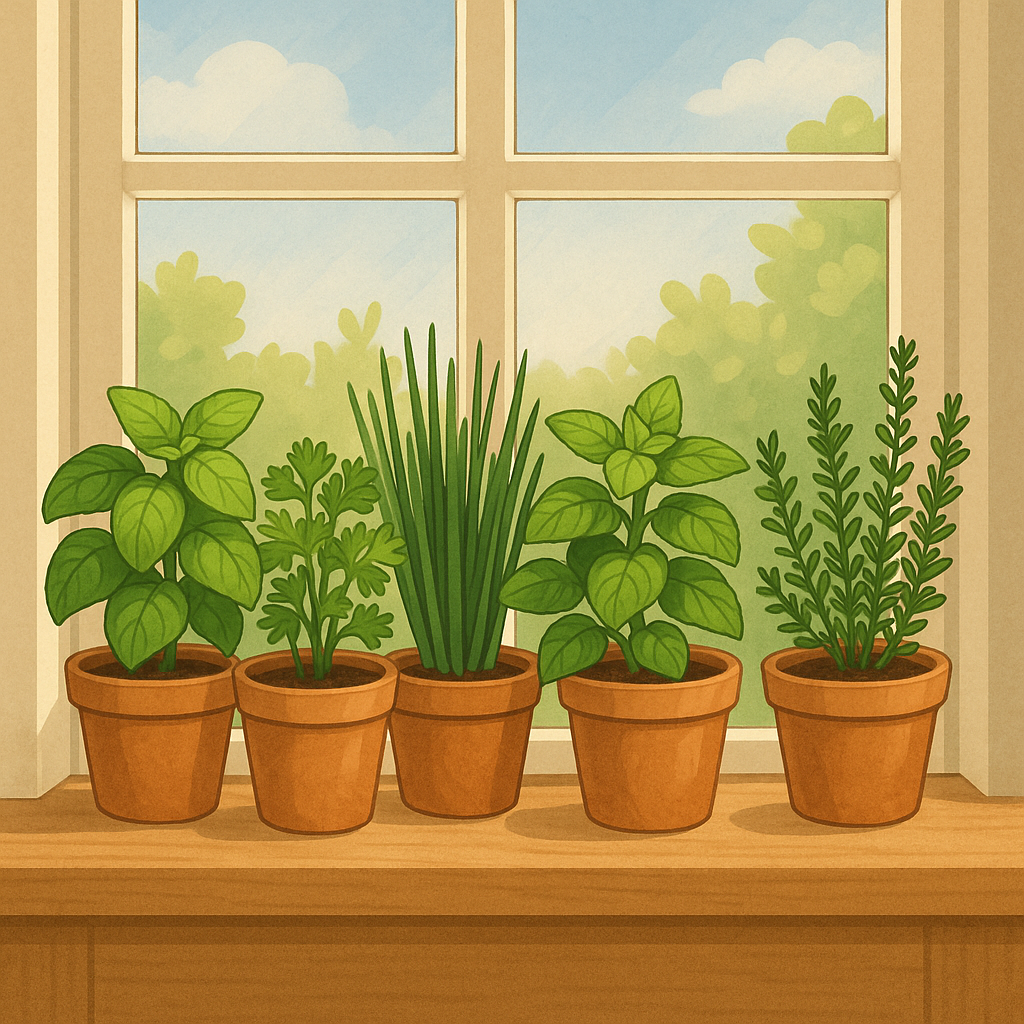
    windowsill herb garden

    Whether you’re short on space, dealing with limited mobility, or just love the convenience, here are some of the best herbs to grow on a sunny sill.


    Why Grow Herbs Indoors?

    🌱 Easy care – Most herbs need just sunlight and regular watering.
    🍲 Fresh flavor – Snip what you need for cooking, teas, or even homemade remedies.
    💚 Mood booster – Tending to plants can reduce stress and lift your spirits.
    🪟 Year-round gardening – No need to worry about weather or seasons.


    7 Easy Herbs for a Sunny Windowsill

    All you need is a container with drainage holes, some potting mix, and a sunny window (ideally 4–6 hours of sun per day).

    1. Basil

    A warm-weather favorite with a sweet, peppery flavor. Great for salads, pasta, and pesto.

    🫙 Tip: Pinch off the top leaves regularly to keep it growing bushy and full.


    2. Parsley

    This bright, fresh herb works in everything from soups to smoothies.

    🪴 Grows well in: Medium sunlight; keep the soil evenly moist.


    3. Chives

    Mild onion flavor that’s perfect for baked potatoes, eggs, or dips.

    🌱 Bonus: Chives are very forgiving and regrow after cutting.


    4. Mint

    Soothing and aromatic—perfect for tea, desserts, or freshening up a room.

    ⚠️ Watch out: Mint spreads quickly, so give it its own pot.


    5. Thyme

    A low-maintenance herb with tiny leaves and big flavor for roasting meats and veggies.

    ☀️ Loves light and dry soil—don’t overwater!


    6. Oregano

    A staple for Italian and Mediterranean dishes with a bold, earthy taste.

    🌿 Hardy and easy-going—just keep it trimmed to encourage new growth.


    7. Rosemary

    A fragrant, piney herb used in roasting and stews.

    🪟 Needs lots of light and prefers to dry out slightly between waterings.


    Helpful Growing Tips

    • Rotate your pots every few days to keep growth even.
    • Use a tray or saucer under pots to catch excess water.
    • Trim herbs often to encourage new, tasty leaves.
    • Fertilize lightly every few weeks for indoor plants.

    🛠️ Optional Upgrade: Try a compact indoor herb garden kit with built-in lights for low-light kitchens.


    Final Thoughts: A Little Garden with Big Rewards

    Herb gardening on a windowsill is perfect for seniors, beginners, or anyone who wants a touch of nature indoors. It’s simple, low-effort, and gives back daily in flavor, beauty, and wellness.

    🌿 Ready to start? Pick one or two herbs, plant them in a sunny spot, and enjoy the taste of fresh gardening—right from your kitchen.
  • Ergonomic Hacks for Pain-Free Gardening

    Love gardening but tired of the aches and pains that come with it? You’re not alone. Many seniors struggle with joint stiffness, arthritis, or limited mobility—but that doesn’t mean you have to stop doing what you love.

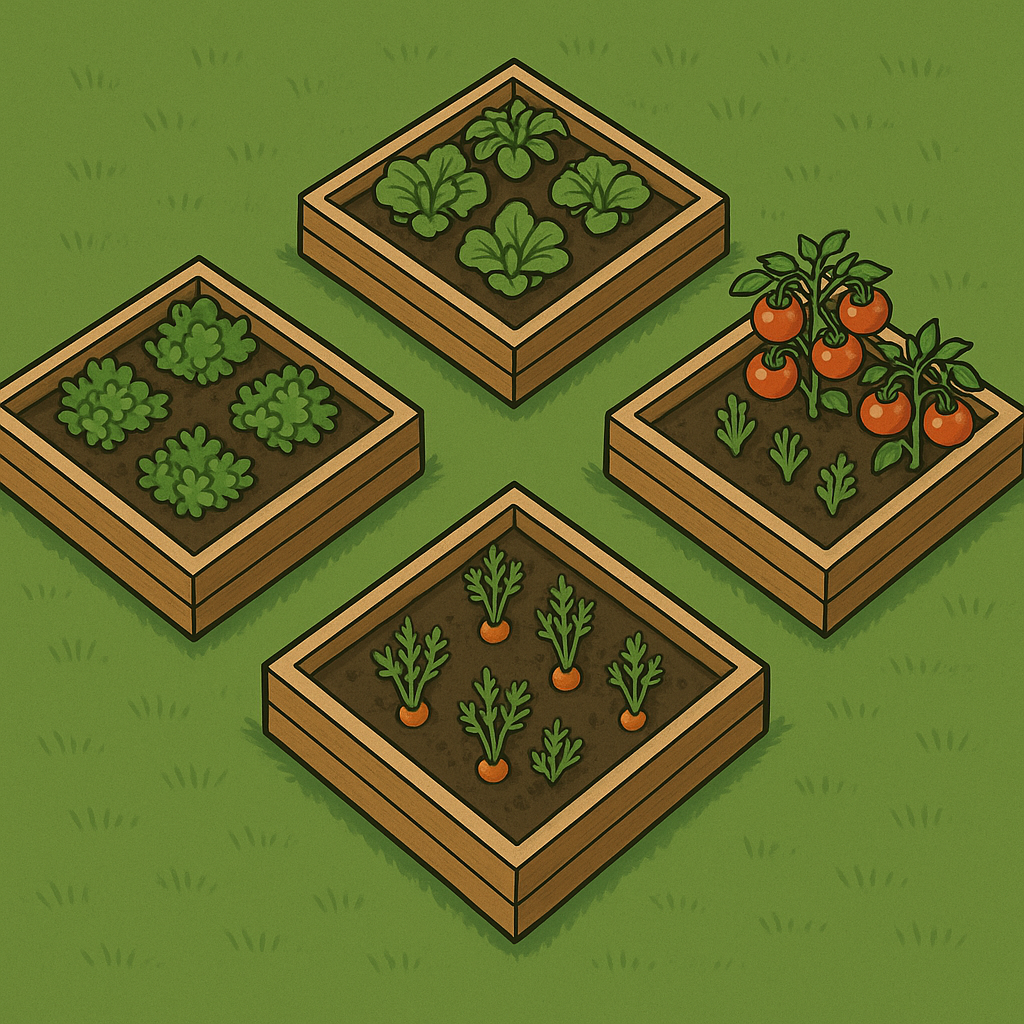
    four raised garden beds placed close together to minimize walking distance

    With a few smart adjustments and the right tools, you can enjoy gardening comfortably and safely. Here are some ergonomic gardening hacks to keep you moving with ease.


    1. Switch to Raised Beds or Container Gardens

    Raised beds and containers bring the garden up to you—no more deep bending or kneeling.

    🪴 Benefits:

    • Less back and knee strain
    • Easier to water, plant, and harvest
    • Ideal for patios, porches, and small spaces

    🌿 Tip: Choose waist-high planters or use stacking crates for custom height.


    2. Use Ergonomic Tools

    Standard garden tools can be hard on your wrists and hands. Look for ones designed to reduce strain.

    🧤 Look for:

    • Padded, non-slip grips
    • Curved handles for natural wrist positioning
    • Lightweight materials

    🌱 Try this: The Fiskars Softouch Garden Tool Set is a top-rated favorite for comfort.


    3. Sit While You Work

    Using a garden stool or rolling seat helps you stay comfortable and avoid overexertion.

    🪑 Options include:

    • Folding seats with storage
    • Scooters with wheels for moving along rows
    • Kneelers that flip into benches

    🌼 Gardening at your own pace from a seated position can make a huge difference.


    4. Keep Tools Handy

    Bending to pick up tools repeatedly is tiring. Keep your essentials within reach.

    🧰 Solutions:

    • Wear a gardening apron with pockets
    • Use a garden tool belt or caddy
    • Attach a basket or bag to your garden stool

    🎯 Less reaching = less stress on your joints.


    5. Choose Easy-Care Plants

    Make gardening more enjoyable by growing low-maintenance plants that thrive with minimal attention.

    🌸 Great choices:

    • Herbs like rosemary and thyme
    • Perennials like lavender or daylilies
    • Compact vegetables like cherry tomatoes

    🌿 Bonus: These plants often resist pests and drought, reducing your workload.


    6. Work Smarter, Not Longer

    Gardening doesn’t have to be a marathon. Short, focused sessions are better for your body.

    ⏱️ Tips:

    • Garden early in the morning or late in the day to avoid heat
    • Take breaks every 20–30 minutes
    • Stretch before and after to stay limber

    💧 And don’t forget to stay hydrated!


    Final Thoughts: Comfort Is Key

    Gardening should feel good. By using ergonomic tools, adjusting your setup, and listening to your body, you can keep gardening pain-free and enjoyable for years to come.

    🌷 Remember: It’s not about how much you do—it’s about how you feel while doing it.

  • How to Keep Gardening with Arthritis

    Living with arthritis doesn’t mean you have to give up your love for gardening. In fact, with a few smart adjustments, gardening can still be a soothing, joyful activity that keeps you moving, grounded, and connected to nature.

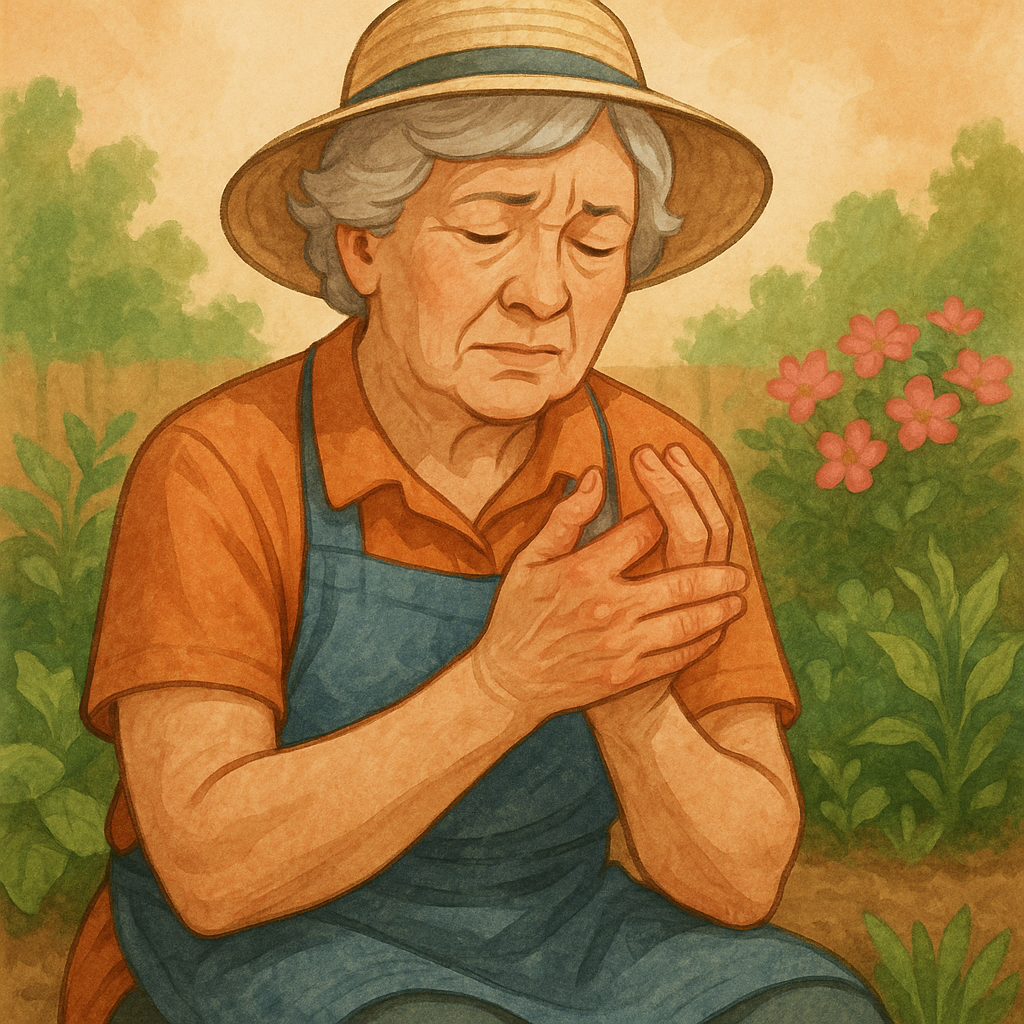
    senior gardener rubbing her hands from arthritis

    Let’s look at how you can keep gardening with less pain and more ease.


    1. Choose the Right Tools

    The right tools make all the difference when dealing with stiff joints or reduced grip strength.

    🧤 Look for tools that are:

    • Ergonomic with padded handles
    • Lightweight but sturdy
    • Designed for less bending or gripping

    🌱 Recommended: Long-handled trowels, ratcheting pruners, and raised planters. Try the Radius Garden Ergonomic Tool Set for comfort and control.


    2. Raise Your Garden Beds

    Raised beds or elevated planters reduce the need to bend or kneel. They’re easier on your back, hips, and knees.

    🪴 Use:

    • Waist-high beds
    • Vertical wall planters
    • Tabletop container gardens

    🌼 Bonus: These setups are also great for small patios or balconies.


    3. Use Garden Seating or Kneelers

    A garden bench or rolling seat allows you to rest while working. Look for ones with wheels and storage space for tools.

    🪑 Kneeling pads with support handles are also helpful if you need to get lower to the ground and get back up with ease.


    4. Pace Yourself and Take Breaks

    Gardening is rewarding, but it’s important not to overdo it—especially on flare-up days.

    🕒 Tips:

    • Work in short 15- to 20-minute sessions
    • Garden in the early morning or evening when it’s cooler
    • Listen to your body and stop if joints feel sore or inflamed

    5. Choose Low-Maintenance Plants

    Go easy on yourself by planting low-care varieties that thrive with minimal fuss.

    🌿 Great choices include:

    • Lavender, marigolds, and geraniums
    • Cherry tomatoes, lettuce, and herbs
    • Perennials that return each year

    🍅 Try container gardening for even more control and less physical strain.


    6. Stretch Before and After

    A few gentle stretches can loosen joints and muscles before you garden, and help reduce stiffness after.

    🤸‍♀️ Focus on:

    • Wrist and hand rotations
    • Shoulder rolls
    • Gentle back and leg stretches

    Check with your doctor or physical therapist for arthritis-friendly movements.


    Final Thoughts: Grow with Grace

    Gardening with arthritis is absolutely possible. With the right tools, smart design, and self-care, you can continue to enjoy the beauty and benefits of gardening—without the pain.

    🌻 Remember: You don’t have to garden like you used to. You just have to garden in a way that works for you now.

  • How to Use Gardening for Stress & Anxiety Relief

    Life can be stressful—whether it’s health concerns, changes in routine, or just the everyday worries that come with getting older. But there’s good news: gardening is a natural, enjoyable way to find peace, feel calm, and ease anxiety.

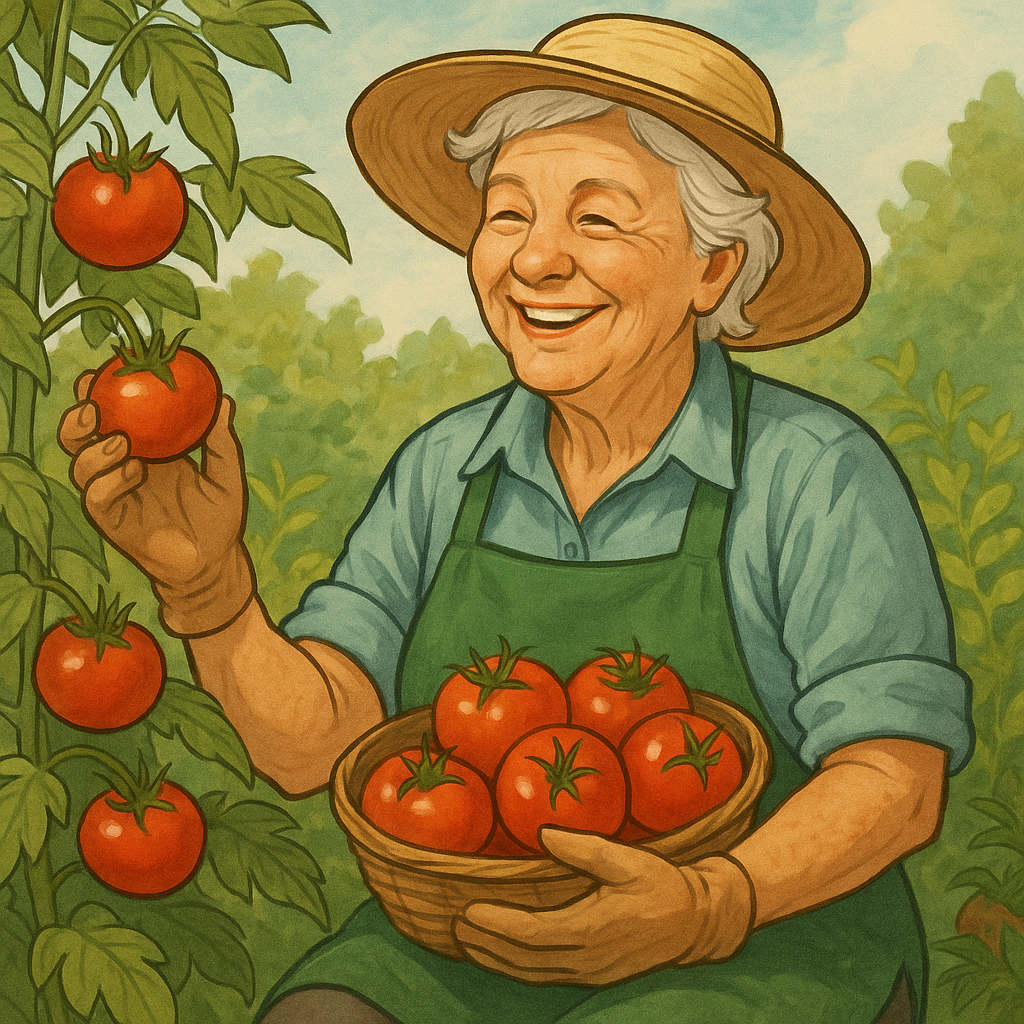
    happy senior gardener harvesting tomatoes

    Let’s explore how simply tending to plants can lift your spirits and help you relax.


    1. Gardening Slows You Down (In a Good Way)

    In today’s fast-paced world, gardening helps you pause. Planting, watering, and watching something grow gently pulls your attention into the present moment.

    🌿 Mindful moments in the garden can quiet the mind like meditation.

    Try this: As you water your plants, breathe deeply and focus on how the water flows and how the leaves respond. Let yourself enjoy the small things.


    2. Being in Nature Heals

    Spending time outdoors—even just on a patio—has proven benefits:

    • Lowers cortisol (stress hormone) levels
    • Reduces feelings of anxiety and depression
    • Boosts vitamin D from sunshine, which supports mood

    ☀️ Just 20 minutes of sunlight a day in your garden can make a big difference in how you feel.


    3. Gardening Gives You Purpose

    Having a daily gardening task gives you something to look forward to. Even caring for one plant can bring a sense of purpose and accomplishment.

    🌼 Every bloom is a reminder that you’re nurturing life.

    Try growing easy plants like marigolds, basil, or cherry tomatoes—you’ll see quick results and feel proud of your efforts.


    4. Gentle Activity to Release Tension

    When you feel tense or anxious, light movement helps. Gardening gets you stretching, bending, and walking without overexertion.

    🪴 It’s physical therapy with the bonus of fresh air and beauty.

    Use raised beds, container gardens, or a garden stool to make it easier on your body.


    5. A Creative, Calming Outlet

    Arranging flowers, choosing colors, or designing a small container garden lets you express yourself. Creativity is proven to lower anxiety and lift mood.

    🎨 No rules here—plant what makes you happy and let your garden reflect your personality.


    6. Connect Through Gardening

    Loneliness increases stress. Gardening can help you connect with others:

    • Share seedlings with a neighbor
    • Join a local gardening group
    • Invite a grandchild to help plant flowers

    👩‍🌾 Talking about gardening or showing off your plants opens doors to new friendships and meaningful conversations.


    Final Thoughts: Grow Calm, One Plant at a Time

    Gardening doesn’t have to be complicated. You don’t need a big yard or lots of tools. Start small—with a pot of herbs or a hanging basket—and let the healing power of plants work its magic.

    🌷 Feeling stressed? Step outside, get your hands in the dirt, and breathe in the calm. Your garden is always ready to help.

  • How Gardening Benefits Senior Health: Mind & Body

    Gardening isn’t just a hobby—it’s a path to better health, especially for seniors. Whether you’re tending a few pots on the porch or planting veggies in a raised bed, spending time in the garden can do wonders for your body and mind.

    senior gardener sitting peacefully in her garden

    Let’s dig into the many ways gardening helps seniors stay active, happy, and healthy.


    1. Gentle Exercise That Keeps You Moving

    Gardening offers a low-impact way to stay physically active. Simple tasks like digging, planting, watering, and pruning work your muscles without straining your joints.

    Benefits:

    • Improves strength and flexibility
    • Boosts heart health and circulation
    • Helps maintain mobility and balance

    🌿 Tip: Use raised beds and ergonomic tools to reduce strain on knees and wrists.


    2. A Natural Stress Reliever

    Being in nature—even in your own backyard—helps reduce stress. Gardening creates a calm, peaceful space to unwind and enjoy the present moment.

    Mental perks include:

    • Lower stress and anxiety levels
    • Improved mood and relaxation
    • A sense of purpose and accomplishment

    🌼 Studies show that just 30 minutes of gardening can lower cortisol (the stress hormone) levels.


    3. Keeps Your Brain Active

    Gardening is also a brain booster! Learning about plants, planning your layout, and remembering when to water or harvest keeps your mind engaged.

    Cognitive benefits:

    • Enhances memory and focus
    • Supports problem-solving skills
    • May help reduce dementia risk

    🧠 Gardening is like a natural workout for the brain!


    4. Better Sleep, Naturally

    Spending time outdoors in natural light helps regulate your body’s sleep-wake cycle. Add in the light physical activity and fresh air, and you have a recipe for better sleep.

    😴 Many seniors find they sleep more soundly on days they’ve spent time in the garden.


    5. Fresh, Healthy Food Right at Home

    Growing your own herbs and veggies gives you access to fresh, nutritious food. It also encourages healthier eating habits.

    Easy-to-grow choices:

    • Lettuce, spinach, and kale
    • Tomatoes and cucumbers
    • Basil, parsley, and mint

    🥕 Eating what you grow connects you to your food in a meaningful way.


    6. A Chance to Connect

    Gardening can be a social activity too. Sharing your garden with family, neighbors, or a local club helps reduce loneliness and build community.

    Ideas:

    • Trade extra veggies with a friend
    • Join a senior gardening group
    • Invite grandkids to help plant seeds

    👩‍🌾 Gardening can turn into joyful shared experiences.


    Final Thoughts: A Health Boost with Every Bloom

    Gardening is more than a pastime—it’s a powerful way for seniors to stay physically active, mentally sharp, and emotionally balanced. You don’t need a big yard or expensive tools. Just start small and grow from there.

    🌷 Ready to start reaping the health benefits? Grab a trowel, plant a few seeds, and let the healing power of gardening begin.

  • Container Gardening for Seniors: Start Small, Grow Big

    Gardening doesn’t have to mean bending over rows of soil or managing a big backyard. With container gardening, you can enjoy all the joy of growing your own plants—right from your patio, balcony, or even windowsill!

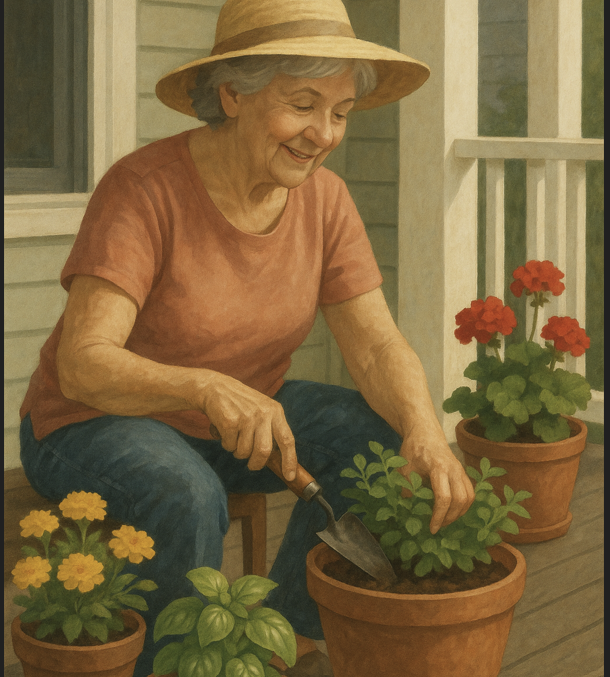
    senior lady gardening in containers on a porch

    Whether you’re new to gardening or looking for an easier way to keep your green thumb active, container gardening is the perfect solution for seniors. Let’s explore how to get started and grow something beautiful and rewarding, one pot at a time.


    Why Container Gardening is Perfect for Seniors

    • Low Maintenance: Smaller spaces are easier to manage and water.
    • Accessible: No kneeling or bending required—use raised containers or place pots on tables.
    • Flexible: Garden indoors or out, no matter your space.
    • Therapeutic: Tending plants is great for your mood and keeps you moving gently.

    Getting Started: Keep It Simple

    You don’t need fancy tools or expensive pots. Here’s what you’ll need:

    1. Choose Your Container

    Pick something with drainage holes. This could be:

    • A lightweight plastic pot (easy to lift!)
    • A fabric grow bag
    • A recycled bucket or wooden crate

    🪴 Tip: Place containers on wheeled plant caddies for easy movement.

    2. Pick Easy-to-Grow Plants

    Start with plants that are forgiving and rewarding:

    • Herbs: Basil, mint, parsley, and chives
    • Vegetables: Lettuce, spinach, cherry tomatoes
    • Flowers: Marigolds, petunias, pansies

    These grow well in small spaces and bring color and joy.

    3. Use the Right Soil

    Use potting mix, not garden soil. It’s lighter, drains well, and helps roots grow strong.


    Make Gardening Comfortable

    • Use ergonomic tools with padded handles to ease wrist strain.
    • Set up a garden bench or chair nearby.
    • Garden during cooler hours—morning or late afternoon.

    👩‍🌾 Affiliate Tip: We recommend the Radius Garden Ergonomic Trowel and Raised Mobile Garden Cart for comfort and convenience.


    Watering Made Easy

    Container plants dry out faster than in-ground plants, so check them often. To make things simple:

    • Use a self-watering container or
    • Add a watering schedule to your daily routine

    💧 Consider using a lightweight watering can or a hose with a long wand to avoid lifting.


    Grow Your Joy

    Start with just one or two pots. Watch your plants grow and feel the pride of a mini harvest or blooming flowers. Over time, you might add more—and before you know it, your small start has grown big!


    Final Thoughts

    Container gardening offers a gentle, joyful way to stay active, enjoy nature, and even grow your own food. It’s a perfect hobby for seniors looking to start something new or simplify their gardening routine.

    🌼 Ready to dig in? Start with one pot, one plant, and let your gardening journey blossom.

  • Beginner’s Guide to Raised Bed Gardening for Seniors

    Gardening is a joyful and healthy way to stay active, especially as we age. But bending and kneeling can become harder over time. That’s where raised bed gardening comes in—a smart, back-friendly solution that brings your garden to a comfortable height.

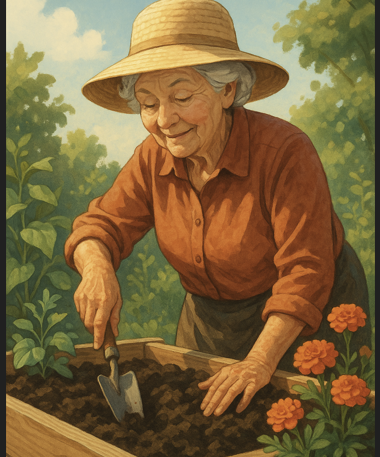
    senior gardener digging in a raised bed with a trowel

    Whether you’re working with a big backyard or a small patio, raised beds can make gardening easier, more enjoyable, and even more productive. Let’s walk through the basics together.


    What Is Raised Bed Gardening?

    A raised bed is simply a planting area built above ground level, usually with wooden, metal, or recycled plastic sides. Instead of bending to reach the soil, you garden from the side of the bed at waist or knee height.

    Think of it as bringing the garden up to you.


    Benefits of Raised Bed Gardening for Seniors

    🌱 Less Bending and Kneeling
    Raised beds reduce strain on your back, hips, and knees—ideal for anyone with arthritis or mobility challenges.

    🧹 Easier Maintenance
    Fewer weeds, better drainage, and less compaction make raised beds lower maintenance than in-ground plots.

    🌸 Great for Small Spaces
    You can garden on patios, balconies, or small yards with compact, elevated beds.

    🥦 Healthier Plants
    You control the soil, which means fewer pests and diseases, and better growing conditions.


    Choosing the Right Raised Bed

    When picking or building a raised bed, keep these tips in mind:

    Height: Aim for 24–36 inches high if you want to garden while standing. A 12–18 inch bed is great for sitting on a stool.

    Width: No wider than 4 feet so you can reach the center from either side without stretching.

    Material: Look for rot-resistant wood like cedar, or try metal beds or recycled plastic options—long-lasting and eco-friendly.

    🔗 Affiliate pick: Vego Garden 17″ Modular Raised Bed Kit – Tall, durable, and tool-free assembly.


    Easy Steps to Get Started

    1. Pick a sunny spot.
      Most vegetables and flowers need 6–8 hours of sunlight a day.
    2. Place your bed.
      Level the ground if needed. Use pavers or a weed barrier if you’re putting it on a hard surface.
    3. Fill it up.
      Use a mix of compost, topsoil, and organic matter. A common blend is 60% topsoil, 30% compost, and 10% perlite or sand.
    4. Start planting!
      Try easy crops like lettuce, carrots, tomatoes, herbs, or marigolds.

    Accessibility Tips for Senior Gardeners

    🪑 Use a garden stool or seat.
    Make tending your garden more comfortable with a sturdy, cushioned stool.

    🧤 Try ergonomic tools.
    Look for tools with soft, curved handles designed for arthritis-friendly grip.

    🚿 Install a drip hose or watering wand.
    No need to haul heavy watering cans!


    Final Thoughts

    Raised bed gardening is a wonderful way to enjoy the outdoors, grow your own food, and stay active—all without straining your body. With a few simple tools and a little planning, you’ll be harvesting fresh veggies and herbs in no time.

    🌻 Ready to begin? Check out our Top 5 Raised Garden Beds for Seniors to find the perfect match for your space and needs.